
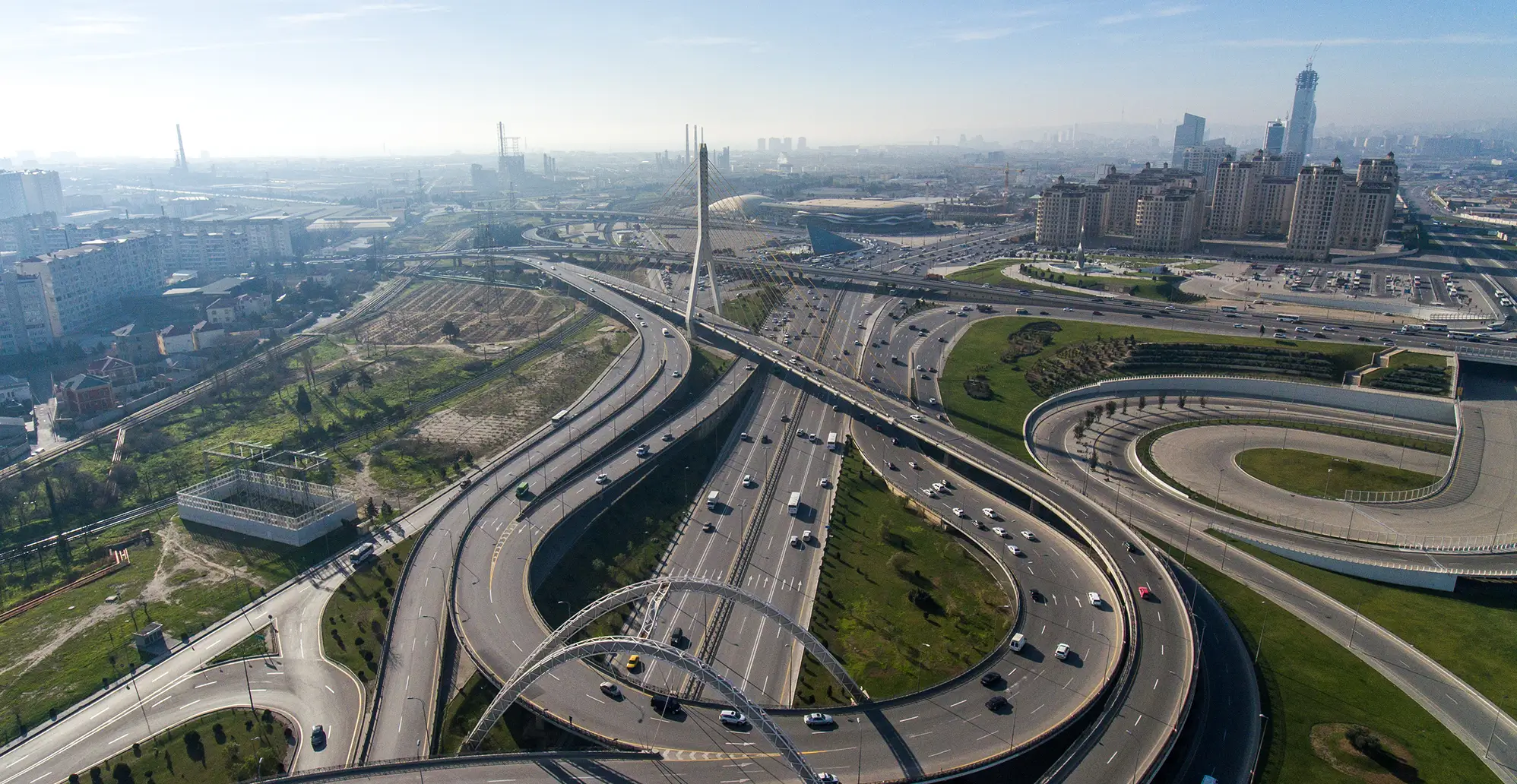
Real-time dashboards:
provide dynamic views of project progress, resource allocation, and key performance indicators—empowering teams to identify challenges early and optimize workflows. For e.g. Tracking construction milestones across multiple sites of urban infrastructure development vis a vis utilization of budgetary milestones to prevent delays.
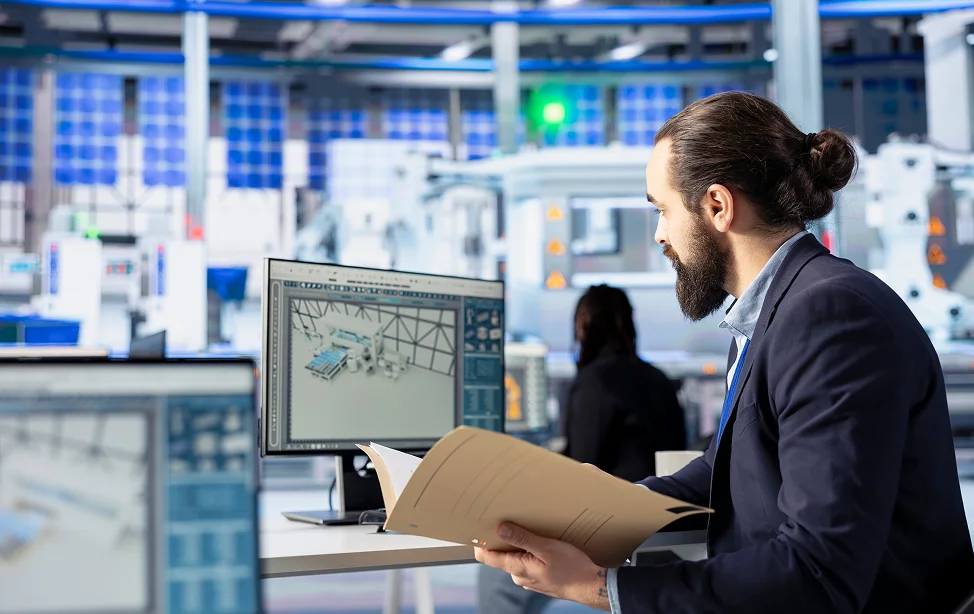
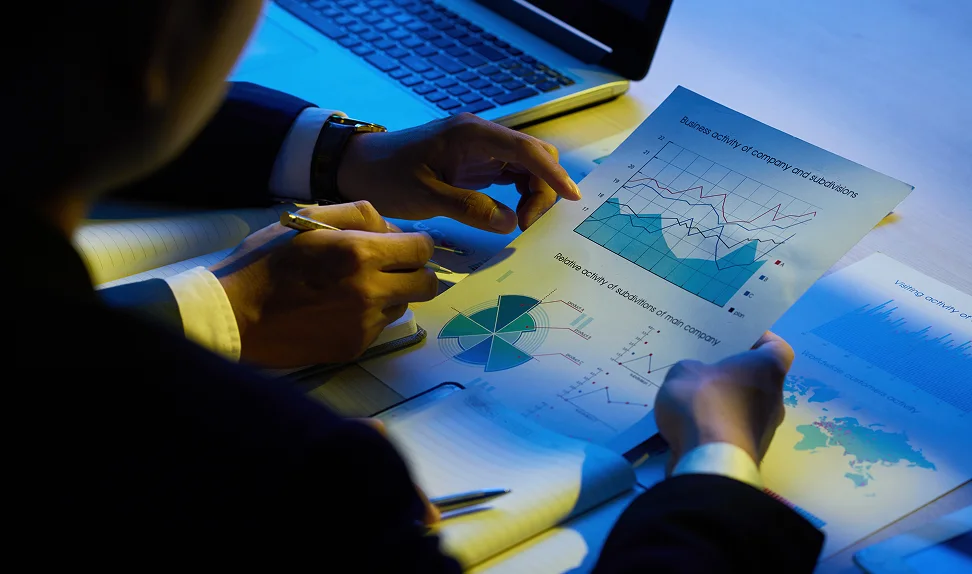
Robust Economic Modeling:
to assess project feasibility, investment returns, and risk factors, ensuring strategic resource deployment and transparent financial oversight. Such as evaluating the cost-benefit of upgrading a city’s water treatment plant.
Forecasting:
Explore multiple development scenarios and forecast infrastructure maintenance needs, enhancing resilience and minimizing lifecycle costs. For instance, simulating flood risk impact on urban drainage networks under different climate models.


Visualize environmental impacts:
and compliance metrics, supporting green urban planning and regulatory adherence. Including carbon footprint tracking for new public transport projects.